Are Black Shutters a Good Idea? When They Work (and When They Don’t)
Author: Nigel Harris.
June 10, 2026.
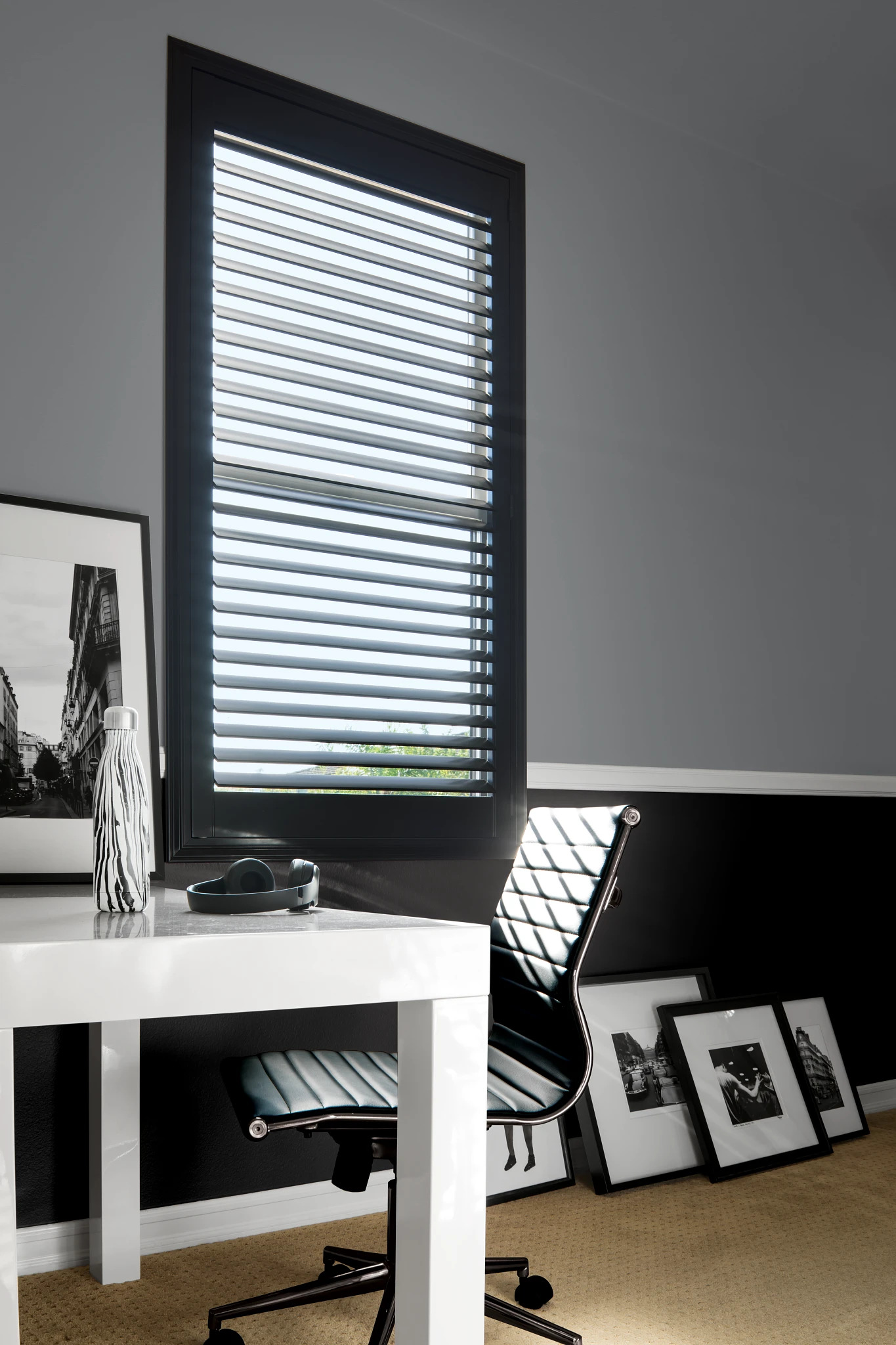
Black shutters can look elegant, modern, and architectural. In the right space, they create contrast, define the window line, and make a room feel more finished. But they are not automatically the best choice for every home, every room, or every design style.
That is why the real question is not whether black shutters are a good idea in general. It is whether they are a good idea for your light, wall color, room size, window shape, and overall design direction.
This guide explains where black window shutters tend to work best, where they can feel too heavy, and how to decide whether this darker finish is the right fit for your home.
Why black shutters remain a popular design choice
Black is one of the few finish colors that can feel classic and current at the same time. It can work in traditional interiors, updated transitional homes, and especially in spaces leaning toward a cleaner, more architectural look.
Because of that flexibility, black shutters for house projects often appeal to homeowners who want something more dramatic than white but still timeless enough to last.
What makes black shutters appealing
They create strong visual contrast against lighter walls;
They help windows stand out as a design feature;
They pair well with metal, wood, stone, and neutral palettes;
They can make a room feel more tailored and intentional;
They often support a more premium, custom look.
In many homes, windows with black shutters feel more defined because the darker frame effect draws the eye directly to the opening.
When black window shutters work best
Black shutters can be stunning, but they are usually most successful when the surrounding space supports that level of contrast. The finish tends to work best when it feels connected to the rest of the room rather than introduced as a standalone statement.
Black shutters in bright, well-lit rooms
Rooms with strong natural light are often the easiest place to use black interior shutters. Daylight softens the depth of the color and helps the finish read as crisp instead of heavy.
This can work especially well in:
living rooms with large windows
kitchens with white or warm neutral walls
dining areas with defined trim details
rooms with high ceilings and open sightlines
In brighter spaces, black can feel grounded and polished rather than overpowering.
Modern black shutters in minimalist interiors
Modern black shutters work especially well in homes with simple lines and restrained finishes. In these settings, black acts almost like an architectural outline.
This look is often strongest when paired with:
white, soft beige, taupe, or greige walls;
black window frames or other dark accents;
natural oak or walnut tones;
matte metals and clean hardware;
uncluttered styling.
If the room already has contrast elsewhere, black shutters can feel integrated instead of abrupt.
Black wood shutters in warm, layered spaces
Black wood shutters can also work beautifully in interiors that are not strictly modern. In more layered spaces, they can add depth without making the room feel cold.
This is often true when the room includes:
warm woods;
soft textiles;
cream or off-white walls;
brass or aged metal details;
classic millwork.
In this context, black reads less stark and more refined.
Read also:
Choosing Shutter Colors & Finishes: White, Stained Wood & Painted Options
When black shutters may not be the best idea
A darker finish brings more visual weight. That is not necessarily a problem, but it does mean black shutters need more care in rooms that already feel small, dark, or visually busy.
In small rooms with limited natural light
In low-light spaces, black window shutters can sometimes make the window area feel more closed in. Instead of framing the room, they may pull too much attention toward the darkest point.
That does not mean they are impossible to use. It just means the room needs careful balance through wall color, trim contrast, and overall styling.
In rooms with heavy visual contrast already
If a room already includes:
dark walls;
dark flooring;
bold wallpaper;
heavy trim;
multiple black accents.
Adding black shutters may push the space too far. Instead of looking crisp, the room can start to feel busy or overly sharp.
In softer or more delicate design schemes
Some interiors benefit more from subtlety than contrast. Cottage-inspired rooms, airy coastal spaces, and soft tonal palettes do not always benefit from a deep black window treatment.
In these settings, black can feel too abrupt unless it is repeated elsewhere in a controlled way.
How to tell whether black shutters will suit your home
Choosing a darker finish is easier when you evaluate the room as a whole, not just the window on its own. The best results usually come from looking at proportion, light, and repetition.
Check the room’s contrast level
Ask whether the room already has black or dark elements that can visually connect to the shutters. These might include lighting, cabinet hardware, framed art, furniture legs, or window frames.
If the shutters would be the only dark element in the room, the finish may feel disconnected.
Consider wall color and trim color
Black shutters often look strongest against:
crisp white;
soft white;
warm beige;
greige;
light gray.
They can also work against deeper tones, but that requires more careful contrast management. If the wall and shutter color are both dark, the look may lose definition.
Think about window size and number
One set of black shutters may feel elegant. A whole wall of them may feel much heavier. The scale of the installation matters.
This is especially important in open-plan rooms or homes with many adjacent windows, where the finish becomes a major part of the visual rhythm.
Black shutters by style: where they usually fit
Design style plays a major role in whether black feels elevated or out of place. A finish that looks perfect in one house may feel too severe in another.
Modern and transitional homes
This is often the most natural fit for modern black shutters. The contrast feels deliberate, and the darker finish usually supports clean lines and a more edited aesthetic.
Farmhouse and updated classic interiors
Black can still work here, especially when it is balanced with warm materials and softer whites. In these homes, the key is avoiding a finish that feels too harsh or industrial.
Traditional homes
Traditional interiors can handle black well when the room includes strong trim, symmetry, and classic detailing. In these cases, black often reads as formal and tailored.
Read more:
Window Shutter Ideas by Home Style: Modern, Farmhouse & Coastal
Do black shutters go out of style?
Black is not a trend color in the same way as more niche finishes. It tends to stay relevant because it works as a neutral with strong definition. Even so, the success of black shutters depends less on trend and more on fit.
A well-chosen black shutter design can age very well when it relates to the architecture of the room, the amount of natural light, and the materials around it.
The safest way to think about black is this: it is timeless when it feels intentional.
A practical way to make the decision
If you are deciding between black and a lighter finish, focus on what you want the shutters to do visually.
Choose black when you want:
stronger contrast;
a more architectural window look;
a tailored or premium feel;
a finish that connects with other dark accents.
Be more cautious with black when you want:
the room to feel lighter and softer;
the window treatment to blend in;
a low-contrast look;
a gentler finish for a small or dim room.
For many homeowners, the best answer is not whether black shutters are good or bad. It is whether they support the mood and proportion of the room they are going into.
When they do, they can look striking, clean, and high-end. When they do not, they can feel heavier than expected. The right choice comes from seeing the shutters as part of the room’s full design story, not just as an isolated color decision.