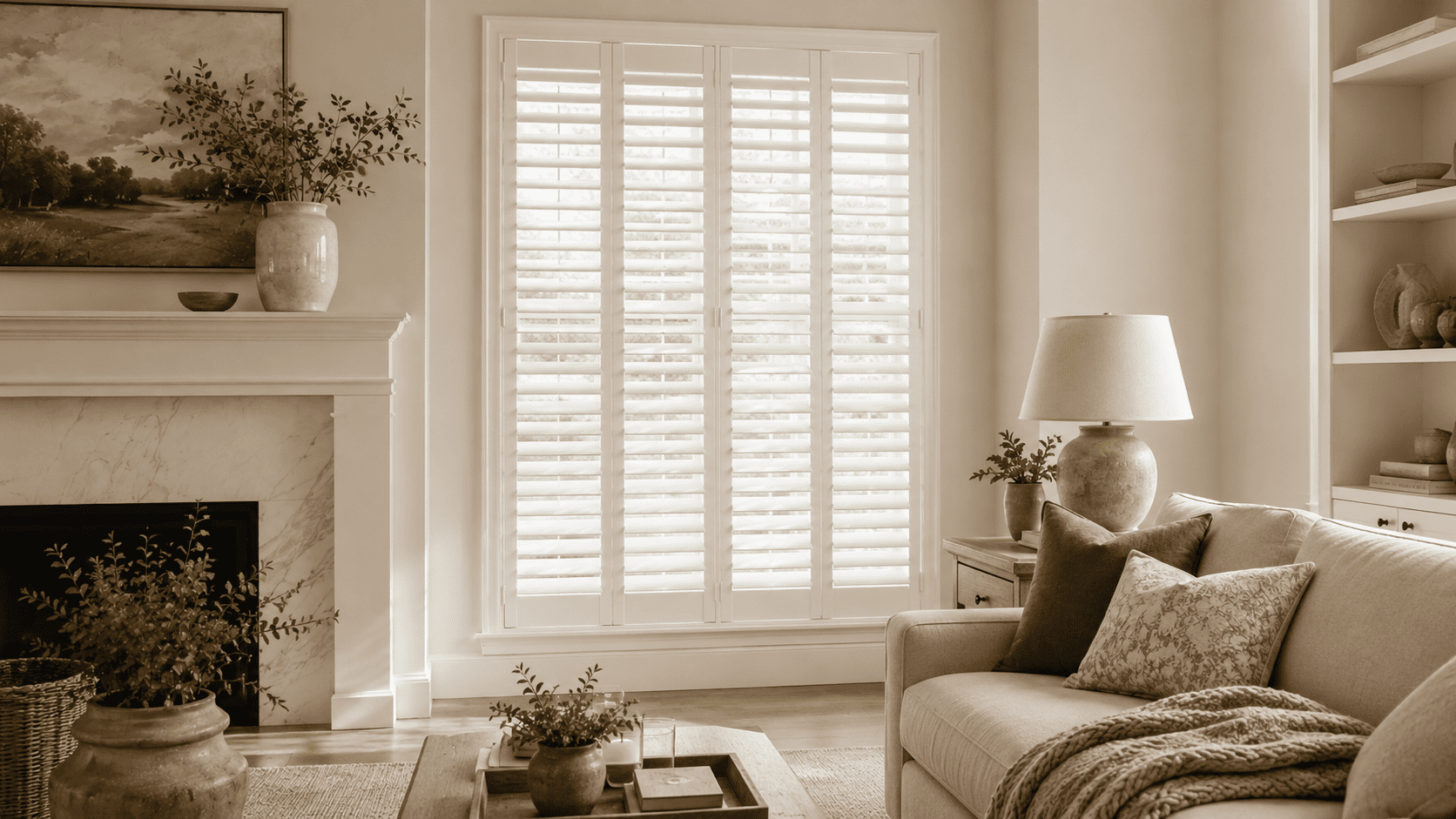
Best Shutters for Insulation: What Homeowners Should Know
Author: Nigel Harris.
June 22, 2026.
Insulated window shutters can help your home feel more comfortable, especially in rooms where windows are a major source of heat gain, heat loss, drafts, or temperature swings. They are not a replacement for well-sealed, efficient windows, but the right shutters can create an extra layer between the room and the glass, helping you manage comfort more effectively throughout the year.
For many homeowners, the biggest benefit is not just energy performance. It is the way shutters help a room feel more stable, controlled, and livable. When panels fit well, close properly, and are designed around the shape and use of the window, they can reduce the sensation of cold glass in winter, soften heat from direct sun, and give you more control over light and privacy at the same time.
Do Window Shutters Help Insulate?
Yes, window shutters can help insulate, but it is important to understand what that means in real life. Shutters do not turn a poorly performing window into a fully insulated wall. Instead, they add a fitted barrier that can help slow air movement near the glass and reduce how much the window affects the room.
The insulation benefit depends on several details: how the shutters are measured, how closely they fit, how the panels sit inside or around the opening, and how consistently you use them during the hottest or coldest parts of the day.
When homeowners ask, “do window shutters help insulate?”, the most accurate answer is: they can support comfort when they are well-fitted and used correctly.
Where Insulated Window Shutters Make the Biggest Difference
Insulated shutters for windows tend to be most noticeable in rooms where the glass has a clear impact on comfort. Some spaces feel too warm during sunny hours, while others feel colder near the window during winter evenings.
Rooms with large windows
Large windows can bring in beautiful natural light, but they also create more glass surface for heat transfer. In these rooms, shutters can help create a more controlled boundary between the living space and the window.
This can be especially useful in living rooms, dining areas, bedrooms, and home offices where you spend long stretches of time close to the glass.
Rooms with direct sun exposure
If a room becomes uncomfortable when the sun hits the window, shutters can help you adjust the louvers to block harsh light while still allowing some daylight into the space.
This makes them useful for managing glare, afternoon heat, and overall room comfort without making the space feel completely closed off.
Bedrooms and rooms used at night
Bedrooms often show insulation issues more clearly because you notice cold drafts, temperature drops, or light gaps when the room is quiet and still. Well-fitted interior shutters can help the window area feel more finished and controlled.
They can also support privacy and light management, which makes them especially practical for bedrooms.
Older homes or less efficient windows
If your windows are older, you may feel more temperature variation around the glass. Insulated interior window shutters can help add another layer of control, although they cannot solve structural window issues on their own.
If there are major gaps, damaged seals, or moisture problems, those should be evaluated separately before relying on shutters for comfort.
What Makes the Best Shutters for Insulation?
The best shutters for insulation are usually the ones that fit the window accurately, close cleanly, and suit how the room is used. Material matters, but fit and design are often just as important.
A shutter that leaves large gaps, is awkward to close, or does not match the window shape will usually perform less effectively than one designed specifically for the opening.
Made-to-measure fit
A precise fit helps reduce open gaps around the frame and panels. This matters because insulation is not only about the shutter material; it is also about how well the full system covers the window.
Custom-measured shutters are especially helpful for unusual window sizes, deep recesses, narrow openings, wide windows, and specialty shapes
Solid, stable construction
Thermal shutters should feel sturdy enough to sit neatly in place when closed. A stable panel helps create a more consistent barrier between the room and the glass.
The goal is not to make the room airtight, but to reduce the exposed glass effect and help the space feel more balanced.
Proper panel layout
Panel design affects both performance and daily use. If panels are too wide, too narrow, or poorly divided, you may be less likely to close and adjust them as needed.
A balanced layout makes shutters easier to use, which can improve comfort because you are more likely to adjust them during peak sun, cold evenings, or privacy hours.
Louver control
Louvers give you flexible control over light, privacy, and airflow. For insulation, closing the louvers can help create a stronger barrier at the window, while angling them allows you to manage daylight without fully opening the panels.
This makes shutters practical for rooms where comfort needs change throughout the day.
Insulated Interior Window Shutters vs. Standard Window Coverings
Insulated interior window shutters offer a different type of performance because they become a more structured part of the window opening. Instead of hanging loosely, shutters are built to sit within or around the window area with panels that open, close, and adjust.
That structure is one reason homeowners often choose shutters when they want a more permanent, tailored solution for comfort, privacy, and appearance.
Compared with less fitted options, shutters can offer:
A cleaner, more built-in look;
Better control over light direction;
Added privacy without fully blocking daylight;
A durable, long-term window treatment;
A more finished appearance on difficult windows.
For insulation specifically, the key advantage is the fitted layer they create at the glass. The better the fit, the more noticeable the comfort benefit is likely to be.
Are Energy-Efficient Window Shutters Worth It?
Energy-efficient window shutters can be worth considering if your goal is to improve comfort and reduce the impact your windows have on the room. They are especially useful when you want one solution that supports insulation, privacy, light control, and interior design.
However, it is best to think of shutters as part of a comfort strategy, not as a guaranteed fix for every energy issue. They can help, but performance still depends on the condition of your windows, the quality of the fit, the room’s exposure, and how you use the shutters day to day.
Energy-efficient window shutters may be a strong fit if you want to:
Make rooms feel more comfortable near the windows;
Reduce harsh sun and glare;
Add privacy without losing all natural light;
Create a more finished look than temporary solutions;
Improve comfort in bedrooms, living rooms, offices, or large-window areas.
What Shutters Can and Cannot Do for Insulation
Shutters can improve the way a room feels, but they have realistic limits. Knowing both sides helps you make a better decision before investing in insulated shutters for windows.
What shutters can help with
Well-fitted shutters can help reduce the sensation of cold glass, soften heat from direct sun, manage glare, improve privacy, and make the window area feel more controlled.
They can also help you use the room more comfortably at different times of day by adjusting the louvers or closing the panels when needed.
What shutters cannot fix
Shutters cannot repair damaged windows, stop moisture problems, replace proper sealing, or correct serious drafts caused by window failure. They also cannot guarantee a specific reduction in energy bills because every home is different.
If your main concern is a damaged or poorly sealed window, the window itself may need attention before shutters can perform as expected.
How to Choose Insulated Shutters for Windows
Choosing insulated window shutters is not only about picking a product. It is about matching the shutter design to the window, the room, and the way you live.
Before deciding, think about where comfort problems are most noticeable and how you want the shutters to function every day.
Start with the room’s main problem
Ask what you want the shutters to solve first. Is the room too hot in the afternoon? Too cold near the window at night? Too bright for working or resting? Too exposed from the street?
Clear priorities make it easier to choose the right panel style, louver size, frame approach, and configuration.
Consider how often you will adjust them
Some rooms need frequent adjustment throughout the day, while others only need shutters closed at night or during strong sun. The right layout should make daily use simple.
If the shutters are inconvenient to open, close, or angle, you may not use them consistently enough to get the comfort benefit.
Pay attention to window shape and depth
Window depth, trim, handles, and surrounding wall details can all affect shutter design. A professional measurement helps confirm what type of frame and panel configuration will fit correctly.
This is especially important for specialty windows, shallow recesses, wide openings, or windows with limited clearance.
Choose a style that matches the room
The best shutters for insulation should also look intentional. A design that feels too heavy, too busy, or out of scale with the window may solve one problem while creating another.
A balanced shutter design should support comfort while still fitting the architecture and interior style of the room.
Best Rooms for Thermal Shutters
Thermal shutters can be used in many areas of the home, but they are especially practical in rooms where comfort, privacy, and light control overlap.
Common rooms to prioritize include:
Bedrooms for nighttime comfort, privacy, and light management;
Living roomsfor large windows, glare control, and daily comfort;
Home offices for reducing glare and managing heat during work hours;
Dining areas: for comfort near large or sunny windows;
Street-facing rooms: for privacy without fully closing off the room.
If you are planning shutters for several rooms, it often helps to prioritize the spaces where you feel the biggest temperature changes or where the windows affect how you use the room.
Choosing Insulated Window Shutters With Confidence
The best shutters for insulation are the ones that fit your windows well, support the way you use each room, and help you manage comfort without compromising style. They should be measured carefully, designed around the opening, and easy enough to use every day.
Insulated window shutters can help reduce the impact of cold glass, direct sun, and changing temperatures, especially in rooms with large windows, older windows, or strong exposure. They will not replace proper window performance, but they can add a practical, attractive layer of control.
If comfort is one of your main goals, focus on fit, panel design, louver control, and room priorities. That is what turns shutters from a decorative upgrade into a more useful part of your home.