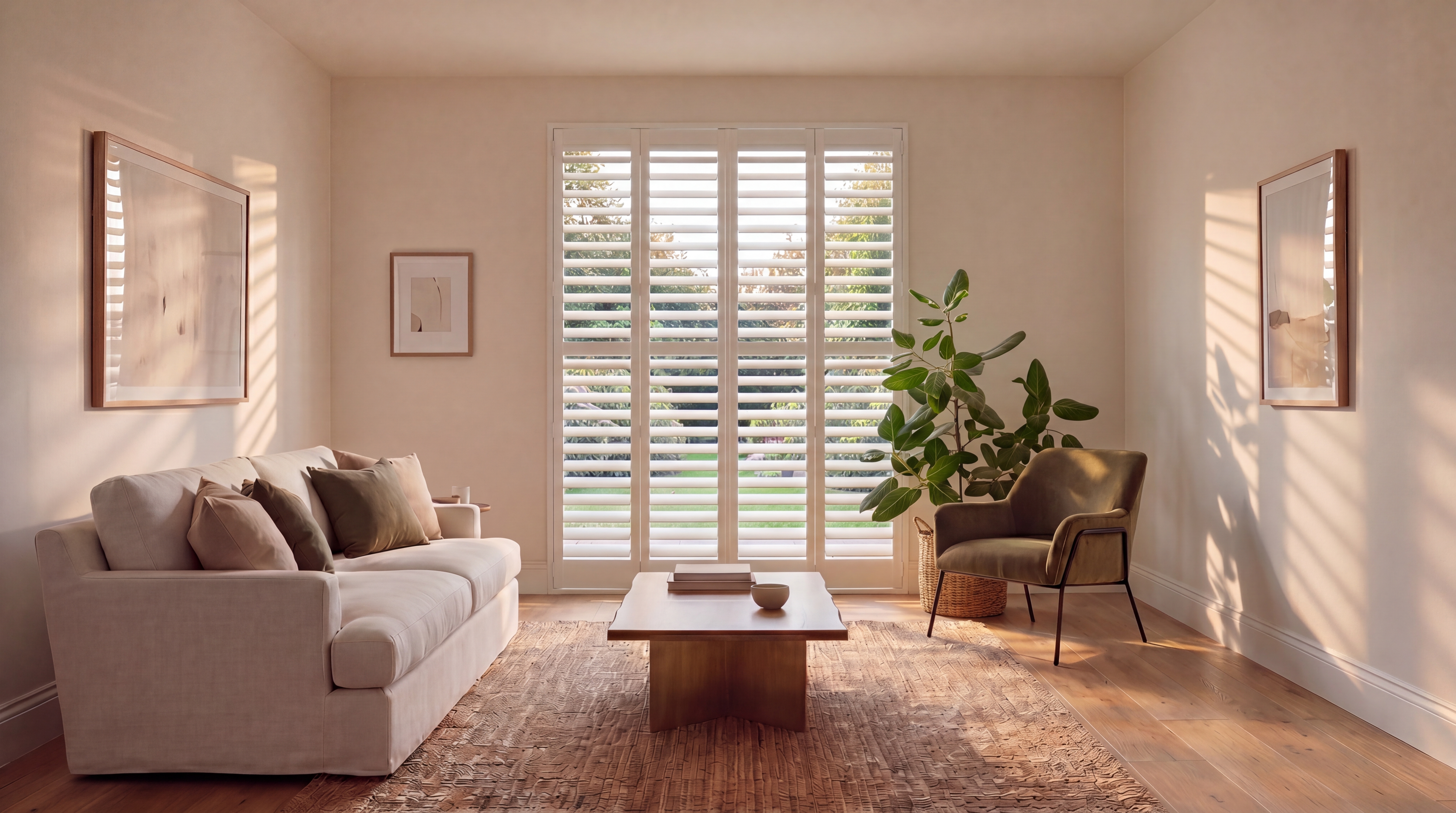
Full-Height Window Shutters Guide: Smart Design Choices for Everyday Living
Author: Nigel Harris.
July 20, 2026.
Full-height window shutters are one of the most versatile options for interior window coverage. They create a clean, structured look while helping you manage privacy, natural light, and insulation throughout the day. Because they cover the entire height of the window, they can work across many room types and architectural styles.
If you are comparing different shutter layouts, understanding how full-height shutters behave in daily use can help you make more confident decisions about panel size, room suitability, and long-term practicality.
What Are Full Height Window Shutters?
Full height window shutters are panels that run from the top of the window frame to the bottom without splitting the opening into separate sections. The design creates a continuous appearance that works well in both traditional and modern interiors.
Unlike café-style configurations that only cover the lower portion of the window, full-height shutters provide full coverage for privacy and light management throughout the entire opening.
Many homeowners choose this layout because it offers:
Consistent visual lines
Better privacy control
Simple operation
A more architectural appearance
Flexible light adjustment through movable louvers
You may also see divider rails added to larger panels. These rails visually separate the upper and lower louver sections while allowing independent movement.
Where Full Height Shutters Work Best
Different rooms benefit from full-height shutters in different ways. The right fit often depends on how you use the space every day.
Bedrooms
Bedrooms are one of the most common spaces for full-height shutters because they offer strong privacy and effective light filtering. When combined with tighter louver closure, they can help reduce outside brightness in the morning while maintaining a cleaner appearance than fabric-heavy alternatives.
Larger louvers may also help create a softer balance between privacy and daylight.
Living Rooms
In living rooms, full-height shutters often become part of the room’s architectural character. Tall windows especially benefit from the vertical structure created by full-length panels.
If your living room receives strong daylight throughout the afternoon, adjustable louvers can help reduce glare without completely blocking natural light.
Bathrooms
Bathrooms often require a balance between privacy and ventilation. Full-height shutters work well because you can angle the louvers for airflow while still limiting visibility from outside.
Moisture-resistant finishes are often recommended in rooms with higher humidity.
Home Offices
If you work from home, full-height shutters can help reduce screen glare while keeping the room bright enough for daytime productivity. Their clean lines also support a less cluttered workspace appearance.
Full Height Window Shutters Recommendations for Different Window Sizes
Panel proportion is one of the most important design considerations with full-height shutters. Oversized panels may feel heavy during daily operation, while very narrow panels can create too many vertical breaks across the window.
Before installation, specialists typically evaluate:
Window width and height
Panel weight
Opening direction
Furniture placement
Access frequency
Desired louver size
Smaller Windows
Smaller windows often work best with simpler two-panel layouts. Keeping the design minimal helps maintain visual balance without overcrowding the opening.
Wide Windows
Wide windows may require multiple panels to reduce weight and improve usability. In some cases, tracked configurations can also help manage larger openings more efficiently.
Tall Windows
Tall windows frequently benefit from divider rails because they help maintain panel stability while allowing more flexible light control between upper and lower sections.
Best Full Height Window Shutters for Privacy and Light Control
One reason many homeowners prefer full-height shutters is the level of control they provide throughout the day.
Instead of fully opening or fully covering the window, you can fine-tune:
Daylight direction
Outside visibility
Room brightness
Airflow
UV exposure
Louver size also changes how the shutters perform.
Larger Louvers
Larger louvers typically create:
A more open exterior view
A cleaner, more contemporary appearance
Increased daylight when open
Smaller Louvers
Smaller louvers usually provide:
More traditional visual detailing
Increased privacy
Tighter light filtering
Your room orientation may also influence which option feels more comfortable in everyday use.
Tradeoffs to Expect With Full Height Shutters
While full-height shutters offer many advantages, there are also practical considerations to keep in mind.
Panel Weight
Larger panels can feel heavier over time, especially on wider windows. Splitting the layout into additional panels may improve daily usability.
Window Access
If you regularly open your windows, panel configuration becomes especially important. Poorly planned layouts can interfere with handles, furniture, or walkways.
Sightline Interruptions
Divider rails improve flexibility, but they also introduce a horizontal visual break across the window. Some homeowners prefer uninterrupted louvers for a cleaner appearance.
Natural Light Balance
Although shutters provide excellent light control, fully closed panels naturally reduce incoming daylight more than partially open solutions.
The right balance depends on how much privacy and brightness you want during different times of day.
How Full Height Shutters Affect Interior Style
Full-height shutters often feel more integrated into the architecture of the room than temporary window coverings. Because they follow the full window height, they can make ceilings appear taller and windows feel more substantial.
They are commonly used in:
Modern interiors
Transitional spaces
Coastal-inspired rooms
Farmhouse-style homes
Traditional layouts
Finish selection also changes the overall effect. Matte whites usually create a lighter appearance, while stained finishes emphasize texture and craftsmanship.
What to Expect During Measuring and Installation
Because full-height shutters are custom-fitted, precise measuring has a major impact on appearance and operation.
During a consultation, specialists generally assess:
Window depth
Frame condition
Opening symmetry
Mounting method
Louver clearance
Panel division
This process helps ensure the shutters operate smoothly and align correctly once installed.
Custom production timelines can vary depending on:
Window complexity
Material selection
Finish customization
Specialty shapes
Panel size
Installation itself is typically straightforward when measurements are completed accurately beforehand.
Choosing Full Height Shutters That Fit Your Everyday Routine
The best full-height window shutters are not only visually appealing — they also match how you use each room every day.
Thinking about privacy habits, sunlight exposure, furniture placement, and window access can help you choose panel layouts and louver sizes that remain comfortable long after installation.
If you are comparing different interior shutter options, taking time to evaluate operation, proportion, and room function usually leads to a more balanced result that feels intentional throughout the home.