Low-Profile Shutter Details for a Cleaner Interior Look
Author: Nigel Harris.
July 20, 2026.
Minimalist interiors often rely on restraint rather than decoration. Clean surfaces, balanced proportions, and thoughtful details create spaces that feel calm without appearing unfinished. When you choose window shutters for a modern interior, subtle design decisions can make a significant difference in how polished the room feels.
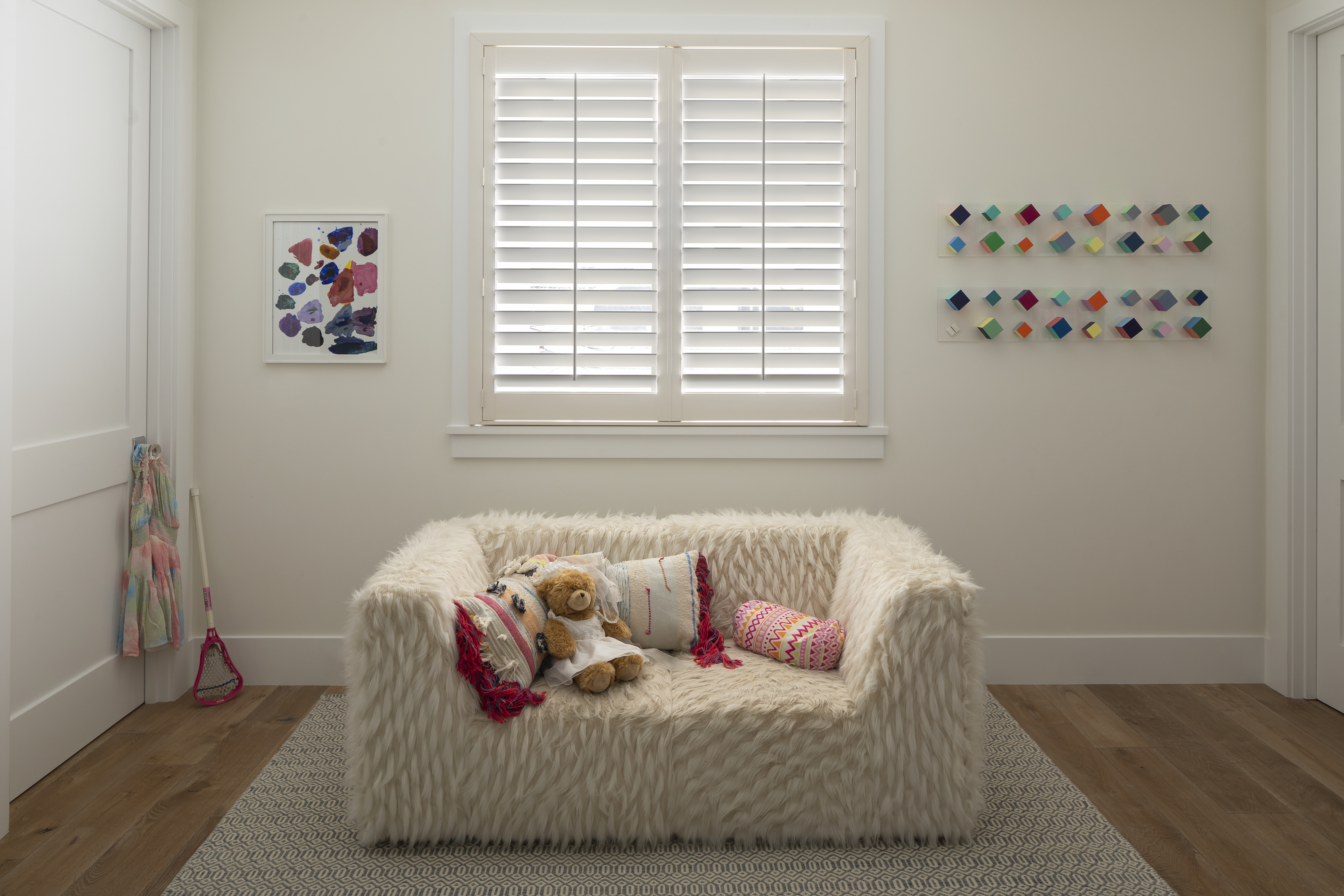
A low-profile approach focuses on slimmer visual lines, understated hardware, and simple finishes that blend naturally into the architecture. Instead of becoming the focal point, the shutters support the overall design while still improving light control, privacy, and comfort.
Why Minimalist Shutter Design Works So Well
Minimalist shutter design fits naturally into contemporary homes because it reduces visual clutter while maintaining functionality. Instead of heavy framing or decorative detailing, the emphasis stays on proportion, alignment, and simplicity.
This style works especially well if you want your windows to feel integrated into the room rather than overly styled. Clean shutter profiles can also help smaller spaces feel more open and organized.
Some of the main advantages include:
Cleaner sightlines throughout the room
Better visual consistency with modern interiors
Easier coordination with flooring, trim, and wall colors
A timeless look that avoids short-term trends
Softer transitions between windows and surrounding architecture
Clean Line Shutters Create a More Refined Appearance
Before choosing materials or finishes, it helps to understand how visual lines influence the overall feeling of a room. Even small profile changes can affect whether shutters feel modern, traditional, or visually heavy.
Narrower Frames for a Simpler Look
One of the most effective ways to achieve a minimalist appearance is by selecting narrower shutter frames. Slimmer framing reduces visual weight around the window and keeps attention on natural light and room proportions.
Low-profile shutters with reduced frame depth also work well in rooms where you want cabinetry, shelving, or wall textures to stand out instead.
Hidden or Minimal Hardware Choices
Visible hinges and hardware can dramatically change the style of your shutters. For a more restrained appearance, many modern interiors favor:
Concealed hinge options
Color-matched hardware
Smaller tilt mechanisms
Simplified panel configurations
These details allow the shutters to feel more architectural and less decorative.
Consistent Panel Alignment
Clean line shutters look best when panel divisions align naturally with the window structure. Balanced symmetry creates a calmer visual rhythm and helps the shutters feel custom-fitted to the space.
Careful alignment becomes especially important in open-concept layouts where multiple windows remain visible at the same time.
Low-Profile Shutters and Color Simplicity
Minimalist interiors usually depend on controlled color palettes. The goal is not necessarily to eliminate contrast, but to keep transitions soft and intentional.
Soft Neutral Finishes
Simple interior shutters often look most refined in understated finishes such as:
Soft white
Warm ivory
Light taupe
Muted gray
Natural wood tones
Neutral finishes help the shutters integrate into the room rather than compete with furniture or architectural details.
Matte Finishes Reduce Visual Noise
High-gloss surfaces tend to reflect more light and draw attention to edges and hardware. Matte or low-sheen finishes create a softer appearance that supports minimalist styling more effectively.
This can be particularly helpful in rooms with abundant daylight, where glare and reflections may otherwise become distracting.
Simple Interior Shutters for Different Rooms
Minimalist styling can work across nearly every area of the home, but the best shutter configuration often depends on how you use the room.
Living Rooms
In living areas, low-profile shutters help maintain an open and airy atmosphere while still offering privacy and light control. Wider louvre spacing can also contribute to a cleaner, less busy appearance.
Bedrooms
Simple interior shutters create a calmer environment that supports rest and comfort. Neutral finishes paired with streamlined panel layouts can make the room feel more relaxing and visually balanced.
Home Offices
Minimalist shutter design works particularly well in home offices because it reduces distractions and helps maintain clean visual backgrounds during video calls.
Subtle light management also helps reduce glare on screens throughout the day.
Design Details That Keep Shutters Looking Minimal
After selecting the overall style, the finishing details often determine whether the final result feels clean and cohesive.
Limit Decorative Elements
Minimalist spaces generally benefit from avoiding:
Excessive trim details
Ornamental framing
Contrasting hardware finishes
Overly complex panel layouts
Restrained detailing helps the shutters remain timeless rather than trend-driven.
Prioritize Proportion Over Decoration
Well-proportioned shutters often feel more sophisticated than heavily detailed ones. Paying attention to louvre size, frame width, and panel balance usually creates a stronger visual result than adding decorative accents.
Keep the Installation Visually Integrated
A carefully fitted installation helps low-profile shutters appear built into the architecture rather than added afterward. Consistent spacing and clean edges contribute significantly to the final appearance.
A Cleaner Interior Starts With Thoughtful Details
Minimalist interiors are rarely empty or plain. Instead, they rely on intentional choices that make the entire room feel calmer, lighter, and more cohesive. Low-profile shutters support that goal by simplifying visual lines while still delivering practical everyday benefits.
When you focus on balanced proportions, subtle finishes, and restrained detailing, your shutters can enhance the room without overpowering it. The result is a cleaner interior look that remains timeless and comfortable for years to come