Natural Wood vs Painted Shutters: How to Choose the Right Finish for Your Home
Author: Nigel Harris.
July 20, 2026.
When choosing internal shutters, the finish can shape the entire feel of a room. Some people prefer the warmth and texture of natural wood shutters, while others want the cleaner, more uniform appearance that comes with painting shutters.
Both options can work beautifully, but they create very different results in terms of style, upkeep, durability, and long-term flexibility. The right choice often depends on how you use the room, the level of maintenance you expect, and the overall look you want your home to have.
Natural Wood Shutters vs Painting Shutters: What Changes the Overall Look?
The finish you choose affects how noticeable your shutters become within the space.
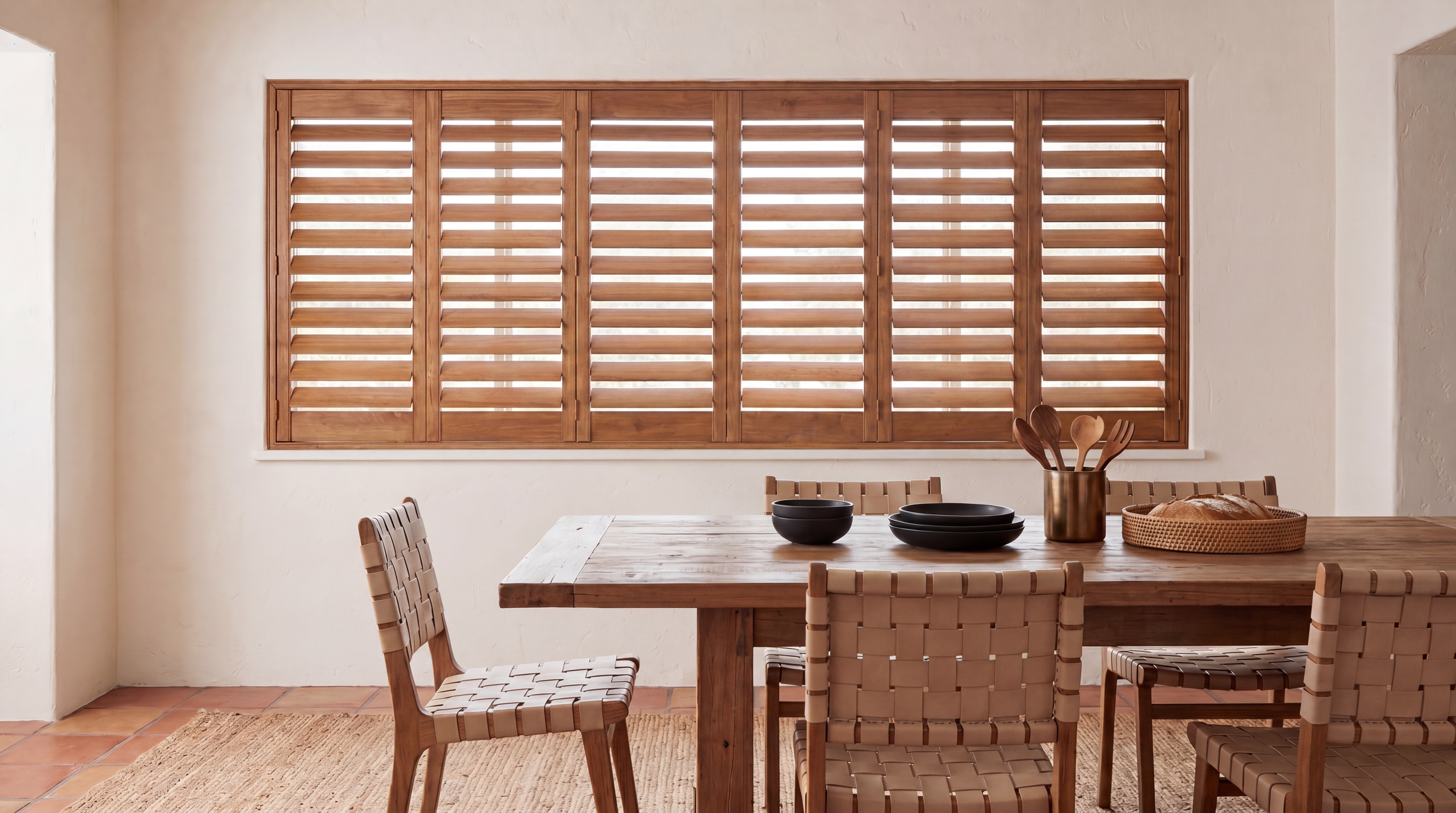
Natural wood shutters highlight grain patterns, texture, and color variation. They often feel warmer and more organic, making them popular in homes that lean traditional, rustic, coastal, or transitional in style.
Painted shutters create a smoother and more consistent appearance. White and neutral painted finishes are especially common in modern interiors because they blend more easily with trim, walls, and architectural details.
When Natural Wood Shutters Usually Work Best
Natural wood finishes are often a strong fit when you want the shutters to feel like part of the room’s architectural character.
They are commonly used in:
Home offices
Dining rooms
Traditional living rooms
Cabins and coastal homes
Spaces with exposed wood flooring or ceiling beams
Wood tones can also soften larger windows and make expansive spaces feel more inviting.
When Painting Shutters Makes More Sense
Painting shutters is often the better choice when you want a lighter, cleaner, or more flexible design.
Painted finishes are frequently chosen for:
Bathrooms
Kitchens
Minimalist interiors
Contemporary homes
Rooms with bright white trim
A painted finish can also help shutters blend into the wall color instead of becoming a focal point.
Natural Wood Shutters and Long-Term Maintenance
Before choosing a finish, it helps to think about how much upkeep you are comfortable with over time.
Natural wood shutters may require slightly more attention because real wood surfaces can show wear differently depending on sunlight exposure, humidity, and everyday use.
That does not necessarily mean high maintenance, but it does mean natural materials tend to age visibly over time.
What to Expect From Natural Wood Finishes
Natural wood shutters can gradually develop subtle color variation as they age. In many homes, this becomes part of the appeal.
However, direct sunlight may cause some wood species to darken or fade over the years. Small scratches or dents may also appear more noticeable depending on the stain color.
To keep the finish looking consistent, you may occasionally need:
Gentle dusting
Wood-safe cleaning products
Minor touch-ups on high-contact areas
Periodic conditioning for certain finishes
Painting Shutters and Everyday Durability
Painted shutters are usually chosen for simplicity and consistency.
Because the surface color is uniform, painted finishes often hide natural variations and create a more polished appearance throughout the room.
Why Painted Shutters Are Popular in Busy Spaces
In high-traffic areas, painted shutters can feel easier to maintain because the finish tends to look consistent even after years of daily use.
They are especially practical in:
Family rooms
Children’s bedrooms
Kitchens
Entry-facing windows
Painted finishes are also easier to coordinate when you update wall colors or redecorate later.
Which Finish Handles Moisture Better?
Moisture exposure is one of the most important practical considerations.
Rooms with steam, humidity, or large temperature changes may influence which finish performs better over time.
Natural Wood Shutters in Humid Rooms
Real wood can react to moisture if the room experiences frequent humidity fluctuations. That does not automatically rule out natural wood shutters, but proper material selection and professional fitting become more important.
You may want to think carefully before choosing stained wood finishes for:
Bathrooms with limited ventilation
Laundry rooms
Kitchens with heavy steam exposure
Painting Shutters for Bathrooms and Kitchens
Painted shutters are commonly preferred in moisture-prone spaces because the sealed finish creates a more controlled surface appearance.
Many homeowners choose painted finishes specifically to maintain a brighter and cleaner look in bathrooms and kitchens.
How Natural Wood and Painted Shutters Affect Interior Style
Your shutter finish should feel connected to the rest of the home rather than treated as a separate design decision.
Natural Wood Shutters Create More Visual Texture
Natural wood shutters often introduce warmth and texture into rooms with neutral palettes or hard surfaces.
They pair especially well with:
Stone accents
Linen fabrics
Warm flooring
Traditional millwork
Earth-tone interiors
Because every piece of wood has slight variation, the result usually feels more layered and organic.
Painting Shutters Supports Cleaner Design Lines
Painting shutters generally creates a more streamlined appearance.
This approach often works best if you prefer:
Crisp interiors
Bright spaces
Minimal visual contrast
Consistent trim color throughout the home
White painted shutters remain one of the most versatile options because they can adapt easily as interior trends change.
Choosing Between Natural Wood Shutters and Painting Shutters
The best finish depends less on trends and more on how you want the room to feel every day.
Natural wood shutters may be the better fit if you want warmth, visible texture, and a more traditional or organic appearance.
Painting shutters may make more sense if you prefer a clean, consistent finish with simpler long-term coordination across multiple rooms.
It can also help to think room by room instead of making a single decision for the entire home. Some spaces naturally benefit from the softness of wood grain, while others feel brighter and more functional with a painted finish.