Top 10 Tips to Care for Your Indoor Shutters
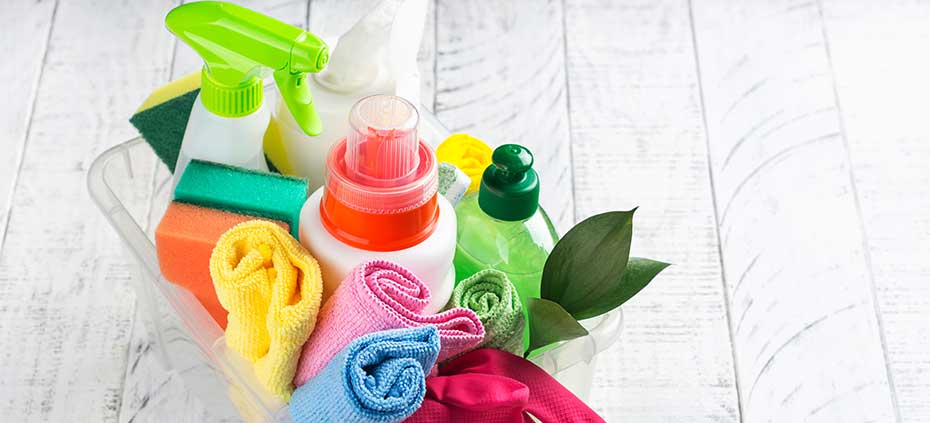
You’ve invested in custom indoor shutters, so it makes sense to want them to look great and work smoothly for years. The good news is that shutter maintenance is usually simple. In most homes, a light routine and the right cleaning habits are enough to keep them in excellent condition.
This guide covers how to care for indoor shutters, including what to do regularly, what to avoid, and how care can vary by material and room.
Why knowing how to care for indoor shutters matters
Indoor shutters are designed to be durable, low maintenance, and easy to live with. Even so, daily dust, kitchen residue, humidity, and accidental handling can affect how they look over time.
A consistent care routine helps you:
keep shutters looking clean and finished;
reduce buildup around louvers and moving parts;
protect painted or stained surfaces;
spot small issues before they turn into repairs.
1. Dust regularly to make shutter maintenance easier
The simplest answer to how to care for indoor shutters is also one of the most important: dust them on a regular basis. Light dusting keeps buildup from settling into louvers, corners, and panel edges.
For most rooms, once a week or once every two weeks is enough. In kitchens, busy family spaces, or homes with pets, you may want to dust more often.
Do
use a soft microfiber cloth, feather duster, or dusting mitt;
dust with the louvers both open and closed;
clean top edges and corners where dust collects first.
Don’t
use rough cloths that may scratch the finish;
let heavy dust sit for long periods;
forget the frame and surrounding trim.
2. Follow a simple maintenance cadence
A predictable routine makes shutter maintenance much easier and prevents over-cleaning.
Here is a practical schedule for most homes:
Weekly or biweekly
remove light dust from panels, louvers, and frames.
Monthly
wipe high-touch areas and check for fingerprints, residue, or grime;
inspect hinges, panels, and tilt mechanisms for smooth operation.
Seasonally
do a more detailed clean around panel joints and corners;
check shutters near kitchens, bathrooms, and sun-exposed windows more closely.
As needed
clean spills, grease, or sticky spots right away;
arrange professional service if something feels loose, misaligned, or difficult to operate.
3. Choose cleaning products carefully
Sometimes dusting is not enough. In kitchens, dining areas, or homes with children and pets, shutters may collect grease, fingerprints, or smudges that need more attention.
In those cases, use a soft cloth with a mild soap-and-water solution. Apply the cleaner to the cloth rather than spraying directly onto the shutter. Then wipe the surface gently and dry it with a clean, soft cloth.
Do
use mild soap diluted in water;
test any product on a small, hidden area first;
dry the surface after wiping.
Don’t
use harsh chemicals, bleach, or abrasive cleaners;
soak the shutter surface;
spray heavily into joints, seams, or moving parts.
4. Match your care routine to the shutter material
One of the best ways to approach shutter maintenance is to care for the material you actually have. Not all shutters should be cleaned in exactly the same way.
Wood indoor shutters
Wood shutters are valued for their warmth, grain, and furniture-like finish. They should be dusted regularly and cleaned with minimal moisture. Too much water can affect the finish over time, so a lightly damp cloth is better than a wet one.
Composite or engineered shutters
Composite shutters are often chosen for durability and easier day-to-day care. They usually handle routine wiping well, which makes them a practical option in hard-working spaces.
Vinyl or moisture-resistant shutters
Moisture-resistant shutters are often a good fit for bathrooms, laundry rooms, and other humid areas. Even so, it is still best to wipe them dry after cleaning and avoid allowing residue to build up over time.
5. Use the right tools for detailed cleaning
Dust and grime do not always sit on flat surfaces. They can collect around tilt rods, panel edges, hinges, and tight corners where a cloth cannot easily reach.
For more detailed cleaning, use:
a soft paintbrush;
a clean makeup brush;
a soft toothbrush used gently;
a vacuum with a soft brush attachment on low suction.
These tools help lift dirt from narrow spaces without scraping the finish.
Read also:
Internal Shutters: The Complete Buyer’s Guide (2026)
7 Benefits of Shutters for Your Home
6. Open and close the shutters from time to time
Even if you prefer to leave your shutters in the same position most of the day, it is smart to move the louvers and panels regularly. This helps keep the hardware working smoothly and gives you a chance to notice problems early.
If a panel feels unusual, the louvers stop aligning properly, or the movement becomes stiff, do not force it. Catching these issues early is one of the most practical parts of shutter maintenance.
7. Operate louvers and panels gently
Care is not only about cleaning. It is also about how you use the shutters every day. Rough handling can damage connectors, tilt mechanisms, louvers, or panel alignment.
Do
use the tilt rod or designated control point;
move louvers with steady, gentle pressure;
open panels carefully and fully as intended.
Don’t
twist or force stuck louvers;
pull on the edge of a louver;
let children swing or hang on shutter panels.
8. Pay extra attention in kitchens and bathrooms
Some rooms place greater demands on indoor shutters. Kitchens can leave behind grease and cooking residue, while bathrooms expose surfaces to higher humidity.
In kitchens
A light wipe-down may be needed more often, especially near cooktops or high-traffic eating areas. If residue builds up, use a mild cleaner and dry the surface well.
In bathrooms
Humidity alone does not always cause problems, but repeated moisture and poor ventilation can make routine care more important. Make sure shutters stay clean and dry, especially around panel joints and frames.
9. Know what not to do during shutter maintenance
When homeowners look up how to care for indoor shutters, the biggest mistakes are often caused by over-cleaning rather than under-cleaning.
Avoid these common problems:
using abrasive pads or scrub brushes;
applying furniture polish unless it is clearly suitable for the finish;
soaking louvers or frames with water;
forcing stuck parts back into place;
attempting DIY repairs on hardware or panel alignment.
A gentle approach is almost always the better one.
10. Call a professional when repairs are needed
A good care routine can help shutters last longer, but regular cleaning does not replace proper repair work. If shutters become difficult to open, look uneven, feel loose, or stop functioning correctly, professional service is the safest next step.
This is especially important if your shutters were custom measured and installed. Trying to fix hardware, connectors, or panel alignment on your own can create more damage and may affect warranty coverage.
Keeping indoor shutters looking their best over time
Learning how to care for indoor shutters does not need to be complicated. Dusting regularly, using gentle cleaning methods, and adjusting care based on room conditions and material type will go a long way.
For most homeowners, the best results come from a simple routine: remove dust often, wipe messes early, handle the shutters carefully, and bring in a professional when something is not working as it should. That kind of consistent shutter maintenance helps preserve both appearance and performance for the long term.